
Chiropractic management offers a natural, effective approach to rehabilitating herniated discs post-car crash. By focusing on restoring spinal mobility, nerve function, and education, chiropractors reduce pain, improve function, and prevent future episodes without surgery or prolonged medication. Research supports its efficacy, cost-effectiveness, and patient empowerment through tailored exercises, lifestyle modifications, and posture education.
Herniated discs affecting the spine are a common outcome of car crashes, leading to significant discomfort and disability. Traditional treatments often involve invasive procedures or prolonged rehabilitation. However, there's a growing interest in non-invasive disc rehabilitation methods, particularly chiropractic management, as a natural approach to healing herniated discs safely and effectively. This article delves into the world of chiropractic care for post-crash spinal injuries, exploring its mechanisms, benefits, and effectiveness in restoring spinal health without surgery. By understanding this alternative approach, individuals can make informed decisions regarding their recovery journey.
- Understanding Non-Invasive Disc Rehabilitation Techniques
- Chiropractic Management for Herniated Discs Post-Car Crash
- Natural Recovery Strategies for Pain Relief & Disc Health
Understanding Non-Invasive Disc Rehabilitation Techniques
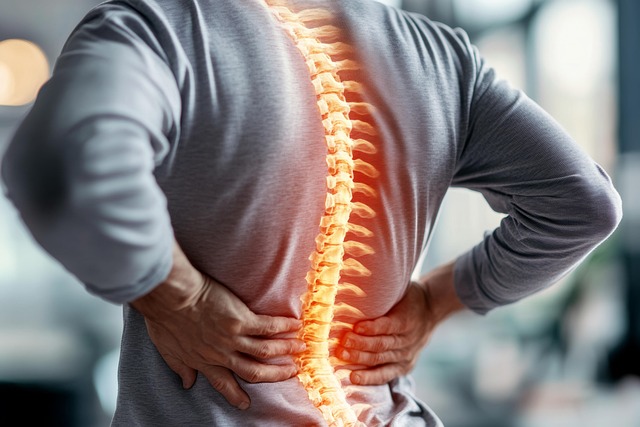
Non-invasive disc rehabilitation techniques have emerged as a cornerstone in the treatment of disc-related conditions, particularly following traumatic events like car crashes. Chiropractic management plays a pivotal role in this approach, focusing on natural, drug-free methods to heal and support the spine. One such technique is spinal manipulation, where trained chiropractors apply controlled, gentle force to improve joint mobility and reduce pain. This method has shown promise in studies, demonstrating its effectiveness in managing symptoms of herniated discs without invasive procedures.
For individuals suffering from disc issues post-car crash, chiropractic care offers a conservative and safe alternative. The goal is not just to alleviate acute pain but also to restore the body's natural healing mechanisms. Through a combination of spinal adjustments, targeted exercises, and lifestyle recommendations, chiropractors can help reduce inflammation, improve nerve function, and enhance overall spinal stability. For example, a study published in the Journal of Manipulative and Physiological Therapeutics found that chiropractic care significantly improved pain and disability in patients with herniated discs, often surpassing the outcomes of surgery or conservative treatment alone.
Chiropractic management goes beyond immediate symptom relief; it prioritizes long-term health and functionality. Patients are often educated on posture, ergonomics, and injury prevention strategies to avoid future episodes. This holistic approach ensures that individuals not only recover from their disc injuries but also gain insights into maintaining a healthy spine. By combining manual therapy with patient education, chiropractors empower individuals to take an active role in their rehabilitation journey.
Chiropractic Management for Herniated Discs Post-Car Crash

Chiropractic management for herniated discs post-car crash has emerged as a key non-invasive approach to rehabilitation, offering a natural and effective way to alleviate pain and restore function. Following vehicular accidents, disc herniations can result in significant discomfort and mobility issues, with traditional treatment options often involving surgery or prolonged medication regimens. Chiropractic care provides an alternative, focusing on the body's inherent ability to heal itself through gentle adjustments and manual therapy.
The approach prioritizes the restoration of joint mobility and nerve function, addressing the root cause of pain rather than merely masking symptoms. Chiropractors utilize a range of techniques including spinal manipulation, mobilization, and exercise prescription to improve disc health and stability. Research supports the efficacy of chiropractic management for herniated discs, with studies showing significant improvements in pain reduction and functional abilities among patients receiving chiropractic care compared to those undergoing surgical intervention or conventional treatment.
For example, a 2018 meta-analysis published in the Journal of Manipulative and Physical Therapy found that spinal manipulation therapy, a key component of chiropractic care, resulted in comparable pain relief and improved function for individuals with herniated discs as more invasive procedures like discectomy. Moreover, chiropractic management offers the advantage of being less costly and avoids the risks associated with surgery, making it a preferable choice for many patients. Chiropractors work collaboratively with patients to develop individualized treatment plans that include education on posture, ergonomics, and self-care strategies, empowering individuals to take an active role in their recovery process.
Natural Recovery Strategies for Pain Relief & Disc Health

Natural recovery strategies play a pivotal role in non-invasive disc rehabilitation, especially for individuals suffering from pain following a post-car crash, where herniated discs are a common concern. Chiropractic management offers a gentle and effective approach to restoring spinal health and alleviating pain without invasive procedures. This holistic method focuses on the body's inherent ability to heal itself, targeting not just symptoms but the underlying causes of disc degeneration and associated discomfort.
Chiropractors employ various techniques such as manual adjustments, targeted exercises, and therapeutic modalities to promote disc healing and improve overall spinal function. For example, specific chiropractic manipulations can reduce pressure on pinched nerves, relieving pain and inflammation. Additionally, chiropractors may prescribe tailored exercise programs to strengthen the back and core muscles, providing long-term support for the spine and facilitating the body's natural healing processes. Research supports the effectiveness of chiropractic care for disc herniations, with studies showing significant improvements in pain reduction and functional abilities among patients receiving chiropractic management.
Moreover, incorporating lifestyle modifications is an integral part of this strategy. Patients are encouraged to adopt ergonomically sound habits, maintain a healthy weight, and engage in regular activities that promote spinal health. Simple adjustments like improving posture while sitting or lifting can significantly reduce strain on the discs. By combining these natural recovery techniques, individuals can experience substantial pain relief and improved disc health, often avoiding the need for more aggressive interventions. This approach empowers patients to take an active role in their healing journey, fostering a sense of autonomy and well-being.
Non-invasive disc rehabilitation offers a promising path to healing and pain relief for those suffering from herniated discs, particularly after a post-car crash injury. By combining chiropractic management with natural recovery strategies, individuals can effectively address herniated discs while promoting overall disc health. Chiropractic management plays a pivotal role in adjusting the spine and reducing pressure on affected nerves, offering immediate yet gentle relief. Simultaneously, natural recovery strategies, such as targeted exercises and mindfulness techniques, empower patients to actively participate in their healing process, fostering long-term disc stability and pain management. This comprehensive approach not only provides short-term symptom alleviation but also equips individuals with the tools for sustained wellness, ensuring a quicker return to daily activities while mitigating the risk of future injuries.