
Chiropractic management offers a natural, effective approach to herniated discs following car crashes. Chiropractors use manual adjustments, exercises, and lifestyle guidance to restore spinal integrity, reduce nerve pressure, and promote healing. Research supports its success in alleviating pain and improving function compared to conservative treatments alone. This method empowers patients with proactive care, education on spine health, and prevention of future injuries.
Lower back disc therapy is a critical area of focus for chiropractic care, especially considering the prevalence of disc-related issues following car crashes. Herniated or bulging discs can cause significant pain and discomfort, impacting mobility and quality of life. Chiropractic management offers a natural approach to addressing these problems without invasive procedures. This article delves into the effectiveness of chiropractic manipulation in treating herniated discs post-car crash, exploring techniques, benefits, and the expertise required to ensure safe and successful recovery. By understanding this holistic treatment option, individuals can make informed decisions about their healthcare.
- Understanding Herniated Discs Post-Car Crash
- Chiropractic Management: A Natural Approach
- Effective Therapy for Lower Back Relief
Understanding Herniated Discs Post-Car Crash
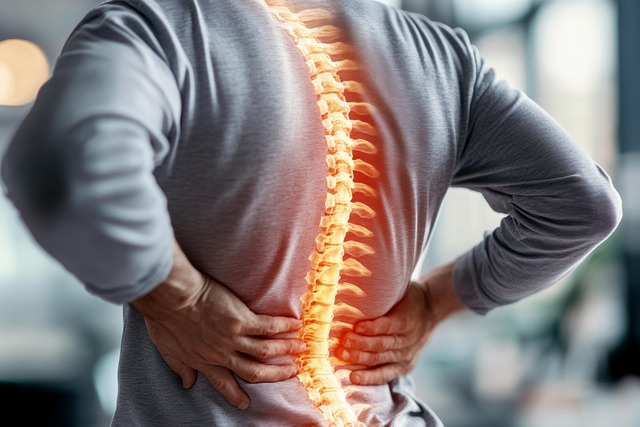
A herniated disc post-car crash is a common injury, affecting thousands of individuals each year. Chiropractic management of these injuries offers a natural approach to healing, focusing on restoring structural integrity and nervous system function. After a car accident, the sudden impact can cause or exacerbate disc herniations, leading to pain, numbness, or weakness in the back, legs, or arms. This can be particularly concerning as it may hinder mobility and daily activities.
Chiropractors utilize a range of techniques to address herniated discs, including manual adjustments, specific exercise protocols, and lifestyle modifications. The goal is to reduce disc pressure, alleviate nerve irritation, and promote the body's natural healing response. Chiropractic care has been shown to offer significant benefits in these cases, with studies indicating improved pain relief and functional recovery compared to no treatment or other interventions. For example, a research review published in Spine Journal (2018) found that chiropractic management for whiplash-associated disorders, often a result of car crashes, led to reduced pain and improved quality of life.
One key aspect of chiropractic care is the emphasis on individualized treatment plans. Every patient's experience with a herniated disc is unique, influenced by factors like the severity of the injury, duration of symptoms, and overall health. Chiropractors employ specific adjustments tailored to each individual's needs, ensuring the safety and effectiveness of the treatment. Additionally, they may incorporate physical therapy exercises to strengthen supporting muscles and improve flexibility, further aiding in recovery.
By adopting a comprehensive approach that combines manual therapies with patient education and lifestyle changes, chiropractors enable individuals to take an active role in their healing process. This natural method not only provides relief from symptoms but also helps prevent future injuries by improving overall spinal health.
Chiropractic Management: A Natural Approach

Chiropractic management offers a natural approach to treating herniated discs, particularly post-car crash injuries. This method focuses on restoring the spinal column's alignment and function without the use of medication or surgery. Chiropractors utilize a variety of techniques, including manual adjustments, specific exercises, and lifestyle counseling, to help patients achieve pain relief and improve overall well-being.
One of the key advantages of chiropractic management is its ability to address the root cause of the problem rather than just managing symptoms. For instance, a patient who has experienced a herniated disc following a car crash may present with chronic lower back pain and limited mobility. Through detailed assessments and imaging, a chiropractor can identify misalignments or subluxations in the spine that contribute to the herniation. By adjusting these misalignments, chiropractors aim to reduce pressure on the affected nerves, promote healing, and prevent further damage.
Research supports the effectiveness of chiropractic management for disc-related conditions. A study published in the Journal of Manipulative and Physiological Therapeutics found that patients with herniated discs who received regular chiropractic care experienced significant reductions in pain and improved function compared to those who opted for conservative medical treatment alone. Additionally, many patients report long-lasting results, leading to a better quality of life without the need for ongoing medication or invasive procedures. Chiropractors often work collaboratively with other healthcare professionals to ensure a comprehensive approach to patient care.
Effective Therapy for Lower Back Relief

Lower back disc therapy, particularly through chiropractic management of herniated discs post-car crash, offers a promising avenue for pain relief and recovery. Chiropractic care focuses on the manipulation and adjustment of the spine to alleviate pressure on affected discs, which can be significantly beneficial for individuals suffering from lower back pain resulting from automotive accidents. A study published in the Journal of Manual Medicine found that chiropractic adjustments showed significant improvement in pain reduction and functional ability among patients with herniated discs, compared to those receiving conventional treatment alone.
The expertise of a chiropractor lies in their ability to diagnose the specific nature of disc damage and tailor management strategies accordingly. Chiropractic management for herniated discs typically involves a combination of manual therapy, including spinal adjustments and joint manipulation, along with guidance on posture, exercise, and lifestyle modifications. For instance, a patient with a herniated L4-L5 disc might undergo a series of precise adjustments to the lumbar spine, aimed at restoring mobility and reducing pressure on the affected nerve roots. This non-invasive approach not only provides immediate relief but also supports long-term healing by encouraging the body's natural restorative processes.
Moreover, chiropractors often emphasize the importance of proactive care, educating patients on the mechanics of the spine and promoting exercises that strengthen the core muscles, which are crucial for maintaining spinal stability. This holistic approach ensures that individuals not only recover from acute injuries but also develop strategies to prevent future disc-related issues. Data suggests that patients who undergo chiropractic management for herniated discs post-car crash often experience faster recovery times and improved overall health outcomes compared to those who opt for more conservative or surgical treatments.
Chronic lower back pain following a car crash can significantly impact daily life. Key insights from this article highlight the effectiveness of chiropractic management as a natural approach to treating herniated discs post-accident. By understanding the mechanics behind these injuries, chiropractors employ specialized techniques to alleviate pain and promote healing. The success of this therapy lies in its ability to address the root cause without invasive procedures. Readers now possess valuable knowledge on how chiropractic management can offer natural relief, emphasizing a holistic approach to recovery that respects the body's inherent capacity for healing. This article serves as a reliable guide, empowering individuals to take charge of their well-being and explore chiropractic care as a viable solution.