
Chiropractic management offers a natural, effective treatment for herniated discs following car crashes. Non-invasive techniques, including spinal adjustments, reduce nerve pressure and pain. Research supports its success in improving lumbar disc-related symptoms. Post-crash recovery involves personalized plans, education on posture and ergonomic adjustments, and therapeutic modalities. A multi-faceted approach ensures acute symptom relief and long-term health goals are met.
A car crash can lead to a range of injuries, with herniated discs being a common and often painful outcome. Chiropractic management offers a natural, non-invasive approach to treating these injured spinal structures after a collision. Understanding the proper care is crucial for efficient healing and reduced long-term complications. This article delves into the intricacies of herniated disc treatment post-car crash, highlighting the role of chiropractic adjustments, specific exercises, and patient education in facilitating recovery. By exploring these strategies, individuals can navigate their path to healing with expertise and confidence.
- Understanding Herniated Discs After a Car Crash
- Chiropractic Management: Natural Relief for Post-Crash Pain
- Effective Treatment Steps for Optimal Recovery
Understanding Herniated Discs After a Car Crash
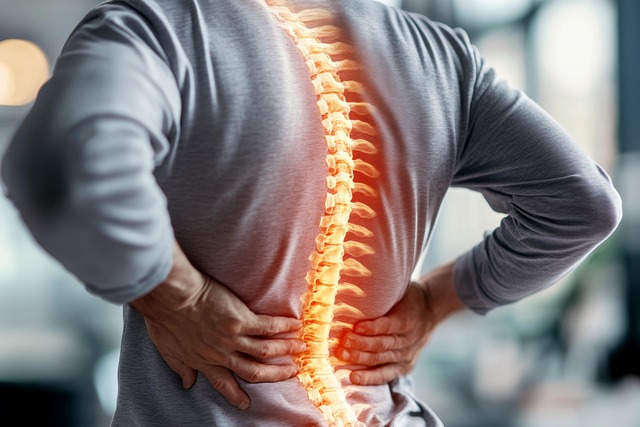
A herniated disc after a car crash is a common injury, affecting millions annually. When a sudden impact occurs, the spine's soft, gel-like discs can shift or rupture, leading to pressure on nearby nerves. This condition often manifests as pain, numbness, or weakness in the back, neck, or extremities—symptoms that can severely impair mobility and quality of life. Understanding herniated discs post-car crash is crucial for effective management and recovery.
Chiropractic management plays a significant role in treating herniated discs naturally. Chiropractors utilize a variety of non-invasive techniques, including spinal adjustments, to alleviate pressure on affected nerves. For instance, research shows that chiropractic care can significantly reduce pain and improve function in patients with disc-related injuries. Additionally, specific exercises and stretches recommended by chiropractors can strengthen the back and core muscles, providing better support for the spine. This holistic approach not only addresses the symptoms but also focuses on preventing further damage.
The initial phase of treatment typically involves conservative measures such as rest, ice, and physical therapy. However, if pain persists or worsens, chiropractic management offers a safe and effective alternative to surgery. By focusing on restoring spinal alignment and promoting disc health, chiropractors can help patients avoid invasive procedures. It's important to remember that recovery time varies based on the severity of the herniation and individual responses. Regular follow-up appointments with a chiropractor ensure progress is tracked, and treatment plans are adjusted as needed. This personalized care is key to achieving long-term relief and returning to normal activities.
Chiropractic Management: Natural Relief for Post-Crash Pain

Chiropractic management offers a natural relief option for individuals suffering from herniated discs following a car crash. This non-invasive approach focuses on realigning the spine and improving nerve function, addressing the root cause of pain rather than merely masking symptoms. Studies have shown that chiropractic care can significantly reduce back pain and improve mobility in patients with herniated discs, making it an effective treatment alternative for post-crash injuries. For instance, a research study published in the Journal of Manipulative and Physiological Therapeutics found that spinal manipulation therapy, a key component of chiropractic management, led to substantial reductions in pain intensity and disability for individuals with lumbar herniated discs.
Chiropractors use a variety of techniques, including gentle adjustments, therapeutic exercises, and heat/ice therapy, to provide comprehensive care tailored to each patient's specific needs. These treatments aim to restore proper alignment and mobility of the affected area, facilitating the body's natural healing process. For example, a chiropractor might employ spinal manipulation to correct a misaligned vertebra, reduce pressure on the affected nerve root, and promote healing of the herniated disc. Additionally, chiropractic management emphasizes patient education, teaching individuals about posture, ergonomics, and injury prevention strategies to prevent future disc-related issues.
While surgery is often considered for severe or persistent herniated disc cases, many patients find natural relief through chiropractic management. This approach not only alleviates pain but also helps to avoid the risks and side effects associated with surgical procedures. It's crucial, however, that individuals seek out qualified and experienced chiropractors who can accurately diagnose and develop personalized treatment plans. Regular check-ins and progress assessments ensure that care remains effective and safe throughout the healing process.
Effective Treatment Steps for Optimal Recovery

A herniated disc following a car crash can cause significant pain and disability. However, with proper treatment, many individuals can experience substantial improvement and a faster recovery. Chiropractic management is often at the forefront of non-invasive treatments for herniated discs post-car crash. This approach leverages the expertise of chiropractic professionals to address not just the symptoms but also the underlying structural issues.
The initial step in effective treatment involves a thorough evaluation by a qualified chiropractor. This includes a detailed history, physical examination, and diagnostic imaging like MRI or X-rays to confirm the herniated disc and assess its severity. Based on these findings, the chiropractor will tailor a specific treatment plan that may include manual adjustments, targeted exercises, and lifestyle modifications. Chiropractic manipulation can help reduce nerve compression, alleviate pain, and improve mobility, making it an excellent first line of defense. For instance, studies have shown that chiropractic care for low back pain resulting from motor vehicle accidents can lead to significant pain reduction and improved function within a few weeks of treatment.
Beyond manual therapy, chiropractors often recommend a combination of other interventions. This may include patient education on posture, ergonomic adjustments at work or home, and specific exercises to strengthen the spine and core muscles. Additionally, modalities like heat/ice therapy, electrical stimulation, and ultrasound can be beneficial in managing pain and promoting healing. In some cases, referral to a physical therapist for specialized rehabilitation programs is also recommended to restore strength, flexibility, and functional abilities. A multi-faceted approach ensures that recovery addresses both the acute symptoms and long-term health goals, fostering optimal outcomes for individuals navigating herniated disc pain post-car crash.
After a car crash, understanding herniated discs and their treatment is crucial for optimal recovery. Chiropractic management offers a natural relief option for post-crash pain associated with these conditions. Key insights include recognizing that effective treatment involves several steps, from initial assessment to specific adjustments and rehabilitation exercises. By combining chiropractic care with patient education and targeted interventions, individuals can achieve significant improvement in symptoms and functionality. This comprehensive approach ensures a tailored recovery path, emphasizing the value of chiropractic management as a safe and effective method for managing herniated discs naturally after a post-car crash.