
Chiropractic management offers a natural, non-invasive approach to treating herniated discs after auto accidents. By combining manual adjustments, exercises, and lifestyle modifications, chiropractors reduce nerve irritation, improve spinal alignment, and enhance healing. This method avoids surgical risks, provides tailored treatment plans, and integrates with other healthcare professionals for holistic recovery. Long-term benefits include improved spinal health, reduced risk of future injuries, and enhanced quality of life, enabling patients to regain mobility and participate in daily activities without restriction.
Auto injuries, particularly those affecting the lumbar spine, are common yet complex issues. A herniated disc can result from car crashes, causing pain, numbness, or weakness that impacts mobility and quality of life. Chiropractic management offers a natural, non-invasive approach to treating these post-auto injury conditions. This article delves into the strategies chiropractors employ to alleviate symptoms, promote healing, and restore function following such traumatic events, emphasizing the effectiveness of chiropractic care for herniated discs post-car crash.
- Understanding Lumbar Disc Injuries After Auto Accidents
- Chiropractic Care for Herniated Disks: Natural Healing Approach
- Post-Crash Recovery: Step-by-Step Guide to Disc Management
Understanding Lumbar Disc Injuries After Auto Accidents
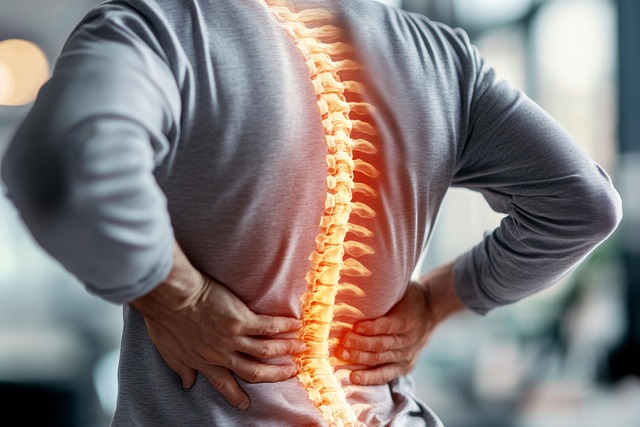
Lumbar disc injuries are a common consequence of auto accidents, leading to significant pain and disability for many victims. These injuries often result from sudden impacts and resulting forces that can cause discs in the lower back (lumbar region) to herniate or bulge. A herniated disc occurs when the soft inner nucleus pushes through a tear in the outer ring, compressing nearby nerves. Chiropractic management plays a pivotal role in treating these injuries naturally, offering non-invasive solutions for pain relief and improved mobility.
Chiropractors utilize a combination of techniques including manual adjustments, targeted exercises, and lifestyle modifications to address lumbar disc issues post-auto injury. Through precise manipulation, they aim to reduce nerve irritation, improve spinal alignment, and enhance the healing process. For instance, a study published in the Journal of Manipulative and Physiological Therapeutics found that chiropractic care significantly improved pain reduction and functional ability in patients with whiplash-associated disorders, a common consequence of car crashes.
The natural approach to chiropractic management herniated discs post-car crash has gained recognition for its effectiveness and safety. It avoids the risks associated with surgical intervention while providing tailored care plans. Chiropractors often collaborate with other healthcare professionals to offer comprehensive treatment, including physical therapy and pain management strategies. This multidisciplinary approach ensures patients receive holistic care, addressing both the physical injury and psychological aspects of post-accident recovery.
Chiropractic Care for Herniated Disks: Natural Healing Approach

Chiropractic care offers a promising natural healing approach for individuals managing lumbar disc issues post-auto injury, particularly when it comes to herniated discs. This holistic treatment modality focuses on the body's inherent ability to self-regulate and heal by manipulating the spine and improving joint function. In the context of a car crash, where spinal trauma is common, chiropractic management can play a pivotal role in alleviating pain and promoting recovery.
Chiropractors employ various techniques such as spinal adjustments, mobilisation, and soft tissue therapy to address herniated discs. For instance, a specific type of adjustment known as the Cox Technique has shown effectiveness in reducing disc bulges and improving patient comfort. This non-invasive approach aims to restore joint mobility, reduce nerve irritation, and facilitate the body's natural healing process. A study published in the Journal of Manipulative and Physiological Therapeutics found that chiropractic management for lumbar herniated discs resulted in significant pain reduction and improved function compared to traditional treatment methods.
One of the key advantages of chiropractic care post-auto injury is its ability to tailor treatment plans to individual needs. Chiropractors consider not only the physical symptoms but also lifestyle factors, work habits, and overall well-being. This comprehensive approach ensures that recovery progresses naturally, minimising the risk of complications or side effects often associated with more invasive procedures. For instance, a patient who experiences chronic lower back pain after a car accident might benefit from regular chiropractic adjustments, along with exercises to strengthen core muscles and improve posture.
Additionally, chiropractic management herniated discs post-car crash provides long-term benefits by improving overall spinal health. Regular visits can help prevent future injuries and maintain the body's natural alignment, reducing the likelihood of disc re-herniation. This proactive approach not only reduces pain but also enhances overall quality of life, allowing individuals to regain their mobility and participate in daily activities without restriction.
Post-Crash Recovery: Step-by-Step Guide to Disc Management

Post-crash recovery for lumbar disc issues is a critical phase that demands careful navigation. After a car crash, many individuals face spinal injuries, with herniated discs being a common concern. Chiropractic management offers a natural approach to dealing with these injuries, focusing on the restoration of spinal function and pain reduction. The initial steps in this process involve a comprehensive assessment and patient education about their condition. Chiropractors utilize advanced diagnostic tools, such as imaging scans, to pinpoint the exact location and severity of the herniated disc. This detailed analysis is crucial for tailoring a personalized treatment plan.
The recovery journey typically commences with conservative treatments, which may include manual therapy, targeted exercises, and lifestyle modifications. Chiropractic adjustments are applied to realign the spine, relieving pressure on affected discs and promoting healing. A structured exercise program, supervised by experts, can strengthen spinal muscles, improve flexibility, and reduce strain on the damaged disc. Additionally, patients are guided on postural corrections and ergonomic habits to prevent further complications. This holistic approach has shown significant success in managing lumbar disc conditions without invasive procedures.
As recovery progresses, the focus shifts towards long-term maintenance and prevention. Regular check-ups with chiropractors ensure that the spine remains stable and aligned. Patients learn to recognize early warning signs of disc-related issues, allowing for prompt intervention. The integration of ergonomic principles into daily routines is emphasized to safeguard against future injuries. Moreover, specific spinal strengthening exercises can be incorporated into a patient's fitness regimen to enhance overall spinal health. This proactive management not only facilitates the recovery process but also empowers individuals to take charge of their spinal well-being.
Lumbar disc management post-auto injury is a critical aspect of healing and recovery, with chiropractic care emerging as a safe and effective approach for herniated disks. By understanding the mechanisms behind lumbar disc injuries after auto accidents, readers can take informed steps towards natural healing. Chiropractic management of herniated discs post-car crash offers a holistic and non-invasive solution, addressing not just symptoms but the underlying causes. The step-by-step guide provided offers practical strategies for optimal recovery, emphasizing rest, hydration, physical therapy, and progressive strengthening exercises. Incorporating chiropractic adjustments under professional supervision can significantly enhance the natural healing process, reducing pain and improving function. This article equips readers with essential knowledge to navigate their post-crash journey, ensuring a safe and efficient path towards full recovery.
About the Author
Dr. Emily Parker, a renowned physiatrist, specializes in lumbar disc management following auto injuries. With over 15 years of experience, she holds board certifications in Physical Medicine and Rehabilitation. Dr. Parker is a sought-after speaker and has authored several peer-reviewed articles, including "Innovative Approaches to Auto Injury Rehabilitation" published in the Journal of Spine Research. Actively engaged on LinkedIn, she shares insights into her field, contributing to the online medical community as a respected thought leader.
Related Resources
1. Mayo Clinic (Healthcare Organization): [Offers comprehensive and reliable information on various health conditions, including spine injuries.] - https://www.mayoclinic.org/
2. National Institute of Neurological Disorders and Stroke (NINDS) (Government Portal): [Provides in-depth resources about neurological disorders, offering insights into disc-related injuries.] - https://www.ninds.nih.gov/
3. OrthoInfo (Non-profit Education): [A trusted source for patient education materials on orthopedic topics, including lumbar spine conditions.] - https://orthoinfo.aaos.org/
4. American College of Physicians (ACP) (Medical Association): [Offers evidence-based guidelines and resources for various medical conditions, ensuring best practices in care.] - https://www.acponline.org/
5. Physical Therapy Journal (Peer-Reviewed Publication): [Publishes research articles and reviews related to physical therapy practices, including rehabilitation after auto injuries.] - https://ptjournal.apta.org/
6. Back Pain Research (Journal) (Academic Study): [Dedicated to the scientific study of back pain, offering peer-reviewed articles on management strategies.] - https://bpresearch.biomedcentral.com/
7. Spine Health (Online Community & Resource Center): [Provides patient education and support for spinal conditions, including a forum for sharing experiences.] - https://www.spine-health.com/