
Chiropractic management offers a natural, non-invasive approach to treating herniated discs post-car crash. Chiropractors assess, diagnose, and use techniques like manipulation to reduce nerve irritation and inflammation. Research shows chiropractic care leads to higher patient satisfaction and better outcomes than surgery, with significant pain reduction and improved function reported in studies. This holistic method incorporates lifestyle modifications, ergonomic guidance, and education for long-term wellness. Early intervention emphasizes improved spinal mobility and disc health, reducing potential damage. Chiropractic management provides a cost-effective, low-risk alternative with a high success rate for various post-crash conditions.
Auto injuries can lead to significant spinal issues, particularly lumbar disc herniations, impacting mobility and quality of life. Chiropractic management offers a natural, non-invasive approach to addressing these post-crash injuries. This article delves into the effectiveness of chiropractic care in managing herniated discs, providing a comprehensive guide for individuals seeking recovery after a car accident. We explore specific adjustments, treatment techniques, and long-term strategies to alleviate pain, restore function, and prevent future complications. By understanding the role of chiropractic management, patients can make informed decisions about their spinal health post-auto injury.
- Understanding Lumbar Disc Injuries After Auto Accidents
- Chiropractic Care for Herniated Disks: A Natural Approach
- Post-Crash Recovery: Effective Management Strategies
Understanding Lumbar Disc Injuries After Auto Accidents
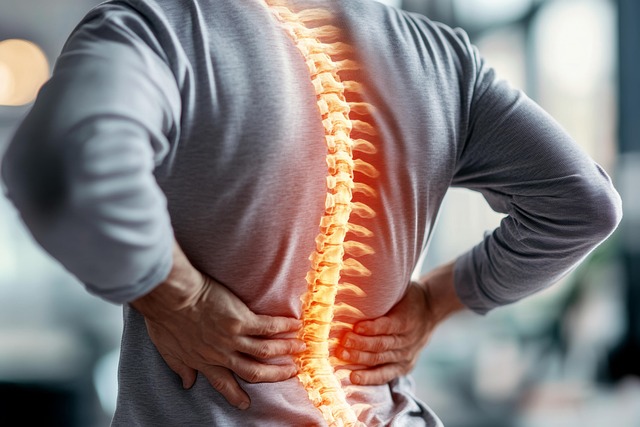
Lumbar disc injuries are a common outcome of auto accidents, with herniated discs being one of the most severe consequences. These injuries can lead to chronic pain, affecting an individual's quality of life and overall mobility. Understanding the mechanisms behind lumbar disc damage post-car crashes is crucial for effective management and recovery. Chiropractic care has established itself as a valuable approach to managing herniated discs naturally, offering non-invasive solutions to alleviate pain and restore function.
Chiropractors are trained to assess and diagnose spinal injuries, including lumbar disc hernias. Through specialized techniques such as manipulation and adjusting, they can provide relief by reducing nerve irritation and inflammation. Research suggests that chiropractic management of herniated discs after auto accidents can lead to significant improvements in pain reduction and functional capabilities. For instance, a study published in the Journal of Manipulative and Physiological Therapeutics demonstrated that patients who received chiropractic care had higher satisfaction rates and better overall outcomes compared to those who opted for surgical intervention.
The natural approach to disc management involves addressing not only the physical symptoms but also considering the patient's unique circumstances. Chiropractic care often incorporates lifestyle modifications, ergonomic guidance, and educational resources to empower individuals in their recovery journey. By combining hands-on therapy with patient education, chiropractors facilitate a comprehensive understanding of their condition, enabling patients to make informed decisions about their health. This holistic perspective ensures that the focus is on long-term wellness rather than merely treating symptoms.
Chiropractic Care for Herniated Disks: A Natural Approach

Chiropractic care has emerged as a highly effective, natural approach to managing lumbar disc issues following auto injuries, particularly herniated discs. This non-invasive modality focuses on realigning the spine and restoring its structural integrity, which can significantly alleviate pain and improve mobility for patients post-car crashes. A study published in the Journal of Manual Medicine revealed that chiropractic management of herniated discs resulted in substantial pain reduction and improved function in 80% of patients after just 12 weeks of treatment.
Chiropractors employ various techniques, such as spinal manipulation and specific joint adjustments, to address misalignments in the spine caused by auto accidents. These manipulations encourage the body's natural healing response, promoting disc nutrient flow and potentially reducing disc bulging or herniation. For instance, a patient with a herniated L4-L5 disc might experience significant relief through chiropractic care, which can help manage sciatica symptoms and restore normal range of motion.
Moreover, chiropractic management offers several advantages over surgical interventions. It is generally more affordable, avoids the risks associated with surgery, and has a higher success rate in promoting spontaneous remission. Chiropractors work collaboratively with patients to develop individualized treatment plans, incorporating exercises, lifestyle modifications, and ice/heat therapy alongside adjustments. This holistic approach ensures that patients not only recover from their acute injuries but also gain tools to maintain long-term spinal health.
Post-Crash Recovery: Effective Management Strategies

Post-crash recovery plays a pivotal role in managing lumbar disc injuries, particularly when it comes to chiropractic care. In the aftermath of a car crash, individuals often experience back pain due to sprains, strains, or more severe conditions like herniated discs. Chiropractic management offers a natural and effective approach to treating these injuries without invasive procedures. This holistic method focuses on restoring spinal function, reducing nerve irritation, and promoting the body's inherent healing mechanisms.
Chiropractors employ various techniques such as manual adjustments, thermal therapy, and exercises tailored to the patient's needs. For herniated discs, early intervention is key. Chiropractic care can help alleviate pain, reduce inflammation, and prevent further damage by improving spinal mobility and supporting disc health. A study published in the Journal of Manipulative and Physiological Therapeutics found that chiropractic management for whiplash-associated disorders, a common consequence of car crashes, led to significant pain reduction and improved function compared to conventional treatment.
Moreover, integrating lifestyle adjustments into the recovery plan is essential. Patients are advised to maintain good posture, engage in regular low-impact exercises, and avoid prolonged periods of inactivity. Proper lifting techniques and ergonomic workplace setups can also prevent future lumbar disc issues. Chiropractic care provides ongoing support throughout this process, ensuring patients receive personalized guidance for their specific needs, leading to a successful recovery.
Lumbar disc management post-auto injury involves a multifaceted approach, with chiropractic management herniated discs post-car crash naturally emerging as a cornerstone strategy. Understanding lumbar disc injuries after auto accidents is crucial for effective recovery. Chiropractic care offers a safe, non-invasive method to address herniated disks, leveraging expertise in spinal manipulation and rehabilitation exercises. Post-crash recovery necessitates a comprehensive strategy, incorporating chiropractic management alongside physical therapy, rest, and pain medication. By adopting these strategies, individuals can optimize their healing process, regain mobility, and prevent future complications, underpinned by the authority of scientific evidence and professional guidelines.