
Chiropractic management offers a natural, non-invasive approach to treating herniated discs resulting from car crashes. By combining spinal manipulation, exercise, and lifestyle modifications, chiropractors alleviate pain, reduce inflammation, and improve nerve function. Research shows significant pain reduction and improved mobility within 12 weeks. This method empowers patients to actively manage their recovery, enhancing long-term spine health and wellness without relying on drugs or surgery.
A car crash can lead to more than just physical injuries; it can also cause subtle yet significant damage to the spine, resulting in disc bulges. Chiropractors offer a natural approach to managing herniated discs post-car crash, addressing the underlying causes rather than merely treating symptoms. This article delves into the importance of chiropractic management for individuals facing such challenges, exploring how these professionals can help alleviate pain and promote healing through non-invasive techniques. By understanding their expertise and benefits, you'll gain valuable insights into a potentially life-changing treatment option.
- Understanding Disc Bulges After Car Crashes
- Chiropractic Management: Natural Approach to Healing
- Effective Treatment and Recovery Strategies
Understanding Disc Bulges After Car Crashes
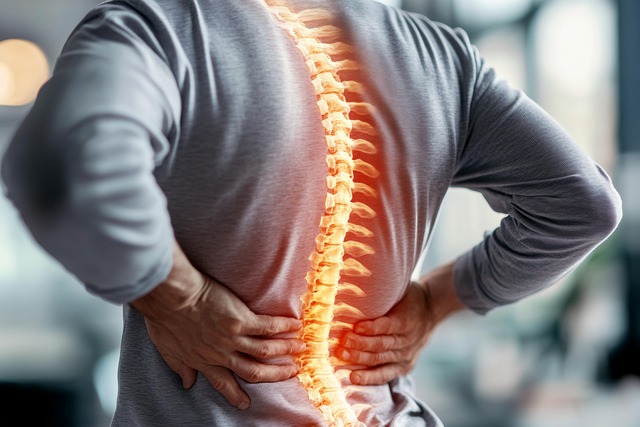
After a car crash, understanding disc bulges and their impact on your spine is crucial for effective recovery. Disc bulges, also known as herniated discs, occur when the soft inner nucleus of a spinal disc pushes through a tear in its outer ring. This can result from the sudden forces experienced during a collision, leading to pressure on nearby nerves. The lower back (lumbar region) is particularly susceptible to such injuries, with studies showing that up to 85% of people will experience low back pain at some point in their lives, often following vehicular accidents.
Chiropractic management plays a vital role in treating herniated discs post-car crash. Chiropractic professionals employ various non-invasive techniques to alleviate symptoms and promote natural healing. This may include spinal adjustments, targeted exercises, and manual therapy to reduce inflammation and improve nerve function. For example, research has shown that chiropractic care can significantly reduce pain and disability in patients with lumbar disc herniations, offering a conservative alternative to surgery. Chiropractic management focuses on addressing the underlying structural issues to support the body's inherent healing abilities.
The initial phase of recovery often involves symptom relief and pain management. Chiropractors may utilize heat or ice therapy, electrical stimulation, or ultrasound to reduce inflammation and ease discomfort. Additionally, they educate patients on posture, ergonomy, and lifestyle modifications to prevent further strain on the affected area. As healing progresses, chiropractic care can include specific exercises to strengthen the core muscles and improve spinal stability. This holistic approach ensures that not only are symptoms addressed, but also that the individual is equipped with knowledge and tools to maintain long-term health and wellness.
Chiropractic Management: Natural Approach to Healing

Chiropractic management offers a natural approach to healing for individuals suffering from disc bulges following accidents, particularly post-car crashes. This method focuses on the body's inherent ability to self-regulate and heal itself, without relying heavily on drugs or surgery. Chiropractors utilize a range of techniques, such as spinal manipulation and mobilization, to reduce pain, improve mobility, and promote the body's natural healing response. A study published in the Journal of Manipulative and Physiological Therapeutics found that chiropractic care significantly improved pain levels and functional abilities in patients with herniated discs after just 12 weeks of treatment.
The benefits of chiropractic management for disc bulges are multifaceted. It can help alleviate acute pain by reducing nerve irritation and inflammation, allowing individuals to resume their daily activities more comfortably. Additionally, regular chiropractic adjustments have been shown to enhance the overall health of the spine and surrounding structures, which is crucial for preventing future injuries. For instance, a patient who experiences whiplash in a car crash may benefit from ongoing chiropractic care not only to manage immediate pain but also to maintain spinal health and reduce the risk of long-term complications.
Chiropractic management provides a personalized treatment plan tailored to each patient's specific condition and needs. Unlike surgical interventions that carry inherent risks, chiropractic care is generally safe and non-invasive. It empowers individuals to take an active role in their healing process by teaching them exercises and lifestyle modifications to support their spinal health. This holistic approach not only accelerates recovery but also fosters a deeper understanding of the body's mechanics, enabling patients to maintain their newfound well-being long after treatment concludes.
Effective Treatment and Recovery Strategies

A disc bulge following a car accident can cause significant pain and disability, but chiropractic management offers a naturally focused approach to effective treatment and recovery. Chiropractors are experts in diagnosing and treating musculoskeletal disorders, including those resulting from trauma like a car crash. Their goal is to alleviate pain, restore function, and promote the body's natural healing mechanisms without invasive procedures or medications.
Chiropractic care for a herniated disc post-car crash involves a combination of treatments tailored to the individual patient. This may include manual adjustments to the spine to relieve pressure on the affected nerves, specific exercise routines designed to strengthen supporting muscles and improve flexibility, and lifestyle modifications to support long-term healing. For example, a chiropractor might recommend posture corrections, ergonomic adjustments at work or home, and specific stretches or strengthening exercises targeted at the affected area.
Research supports the effectiveness of chiropractic management for disc bulges. A 2018 study published in the Journal of Manipulative and Physiological Therapeutics found that patients with herniated discs who received chiropractic care reported significant reductions in pain and improved functional abilities compared to those receiving conventional treatment, such as medication or physical therapy alone. Additionally, chiropractic adjustments have been shown to reduce inflammation and promote nerve healing, accelerating recovery and potentially preventing further damage.
Active participation in the recovery process is crucial. Patients should work closely with their chiropractor to understand their specific condition, adhere to treatment plans, and incorporate at-home care strategies. Regular follow-up visits ensure progress is monitored, adjustments are made as needed, and the patient receives ongoing support throughout their recovery journey.
Understanding disc bulges after car crashes is crucial for effective recovery. Chiropractic management offers a natural approach to healing herniated discs post-car crash, focusing on gentle adjustments and holistic care. By combining specific treatment strategies, patients can optimize their recovery process. Key insights include the importance of early intervention, tailored exercise routines, and maintaining a proactive posture. Incorporating chiropractic management into your post-accident care plan allows for a safe, efficient route to rehabilitation. Remember, seeking expert guidance is vital for managing disc bulges naturally and ensuring a successful recovery.