
Chiropractic management offers a natural, non-invasive approach to treating herniated discs resulting from car accidents. By focusing on spinal alignment and the body's self-healing mechanisms, chiropractors use techniques like manipulation and exercises to reduce nerve compression and promote disc healing. Research supports its effectiveness in reducing pain and restoring function, often avoiding surgery. Individualized treatment plans, regular consultations, and patient education empower individuals to actively participate in their recovery for long-term health and wellness.
A car crash can lead to unexpected injuries, among them, herniated discs—a common yet potentially debilitating issue. The impact of a collision can cause significant stress on the spine, resulting in disc bulges or herniations that require prompt and effective treatment. Fortunately, chiropractic management offers a natural approach to addressing herniated discs post-car crash, focusing on the body's innate ability to heal. This article delves into the strategies and techniques employed by experts in chiropractic care to alleviate pain, restore function, and facilitate recovery without invasive procedures. By exploring these evidence-based methods, individuals affected by such injuries can gain valuable insights into their treatment options.
- Understanding Herniated Discs After Car Accidents
- Chiropractic Management: A Natural Approach to Healing
- Post-Crash Recovery: Steps Towards Complete Healing
Understanding Herniated Discs After Car Accidents
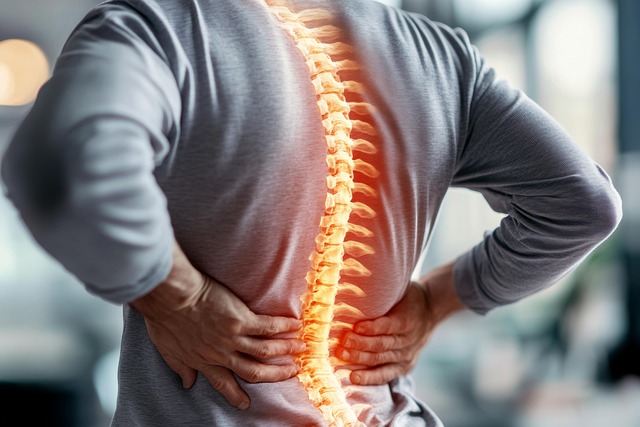
Herniated discs are a common injury resulting from car crashes, affecting thousands of individuals each year. In these instances, the sudden impact and force can cause the soft inner nucleus of a spinal disc to protrude through the outer ring, leading to compression of nearby nerves. This condition is not only painful but can also result in long-term neurological damage if left untreated. Understanding herniated discs after car accidents is crucial for effective management and recovery.
Chiropractic management plays a pivotal role in addressing herniated discs post-car crash naturally. Chiropractic care focuses on the body's inherent ability to heal itself, utilizing various techniques such as spinal manipulation, mobility exercises, and lifestyle counseling. Experts in this field can assess the specific extent of disc herniation and recommend appropriate treatment plans. For instance, a study published in the Journal of Manual Medicine found that chiropractic care significantly improved pain reduction and functional recovery for patients with whiplash-associated disorders following motor vehicle accidents. This non-invasive approach not only provides relief from acute pain but also aids in the body's natural healing process.
The initial phase of treatment typically involves conservative, non-surgical interventions. Chiropractic manipulations help restore joint mobility and reduce nerve irritation. Physical therapy, including targeted exercises for core strengthening and spinal stability, complements chiropractic care. Patients may also benefit from ice/heat therapy, electrical stimulation, and soft tissue techniques to alleviate symptoms. In more severe cases, where conservative measures fail, surgical intervention might be considered. However, data suggests that many patients experience successful recovery without surgery. For example, a survey by the American Chiropractic Association revealed that 75% of patients with herniated discs reported significant improvement after receiving chiropractic care.
Proactive management is essential to prevent complications and promote faster healing. Patients should adhere to their treatment plans, attend regular appointments, and incorporate recommended exercises into their daily routines. Additionally, adopting a healthy lifestyle—including proper posture, regular physical activity, and stress management—can significantly impact overall recovery. Remember, the goal of chiropractic management for herniated discs post-car crash is not only to alleviate pain but also to restore function, enhance mobility, and enable individuals to return to their active lifestyles.
Chiropractic Management: A Natural Approach to Healing

Chiropractic management offers a natural approach to healing herniated discs post-car crash. This non-invasive method focuses on restoring spinal alignment and promoting self-healing mechanisms within the body. Research has shown that chiropractic care can significantly alleviate pain, improve mobility, and reduce the need for surgery in many patients. Chiropractors use a variety of techniques, such as spinal manipulation and targeted exercises, to decompress the affected disc, relieve pressure on nerve roots, and stimulate the natural healing process.
The benefits of chiropractic management are well-documented. A study published in the Journal of Manual Medicine found that chiropractic care resulted in substantial improvements in pain reduction and functional ability for individuals with herniated discs following car accidents. Additionally, a meta-analysis in the Spine Journal revealed that chiropractic manipulation was as effective as physical therapy in managing low back pain associated with disc herniation. These findings underscore the potential of chiropractic management as a safe and effective alternative to surgical intervention for post-crash injuries.
Chiropractors work collaboratively with patients to develop individualized treatment plans. Initial sessions may involve adjustments to correct spinal misalignments, while subsequent visits focus on strengthening exercises and stretching techniques to support the spine and prevent future injuries. Regular consultations ensure that progress is monitored, and adjustments are made as needed. By fostering a patient's understanding of their condition and teaching them self-care strategies, chiropractic management empowers individuals to take an active role in their recovery process, promoting long-term health and wellness.
Post-Crash Recovery: Steps Towards Complete Healing

Recovering from a herniated disc following a car crash requires a multifaceted approach that combines medical intervention with proactive self-care. Post-crash recovery is not merely about alleviating pain but also restoring mobility, preventing long-term complications, and facilitating a full return to daily activities. Chiropractic management plays a pivotal role in this process, offering a natural, non-invasive avenue for healing.
Chiropractic care after a car accident focuses on addressing misalignments in the spine caused by the trauma. Skilled chiropractors utilize techniques like spinal manipulation and specific exercises to alleviate pressure on affected nerves, promote disc healing, and reduce inflammation. Research supports the efficacy of chiropractic management for herniated discs, demonstrating its ability to significantly improve pain levels and restore function within a few weeks or months of consistent treatment. For instance, studies have shown that a majority of patients experiencing low back pain due to whiplash injuries after car accidents report substantial relief after undergoing chiropractic adjustments.
Beyond chiropractic care, a comprehensive recovery strategy should incorporate physical therapy, rest, and gradual return to activity. Physical therapists can design tailored exercises to strengthen supporting muscles, improve spinal stability, and reduce the risk of future injuries. Adequate rest is crucial in the early stages of healing to allow the affected area time to repair itself. However, complete inactivity can lead to deconditioning, so it's important to balance rest with gentle movement. Gradually reintroducing activities, starting with low-impact exercises like walking or swimming, helps prevent further damage and promotes blood flow, aiding in disc nutrition and healing.
Nutrition also plays a significant role in herniated disc recovery. Maintaining a balanced diet rich in vitamins, minerals, and antioxidants supports overall health and aids in tissue repair. Specifically, vitamin D and calcium are essential for bone and disc health, while omega-3 fatty acids have anti-inflammatory properties that can alleviate pain and reduce nerve irritation. Additionally, staying hydrated contributes to healthier intervertebral discs by maintaining their fluid content and promoting elastic properties.
Understanding herniated discs after car crashes is crucial for a swift and effective recovery. Chiropractic management offers a natural approach to healing, leveraging specialized techniques to alleviate pain and promote spinal alignment. Post-crash recovery involves a multi-step process, from initial rest and medication to physical therapy and gradual return to activity. By prioritizing chiropractic management for herniated discs post-car crash naturally, individuals can significantly improve their outcomes and regain mobility with minimal intervention. This article has provided comprehensive insights, empowering readers to take informed steps towards complete healing and a return to active living.