
Chiropractic management offers a natural treatment for herniated discs post-car crash, focusing on spinal adjustments, exercises, and holistic care to reduce pain, promote healing, and prevent future injuries. This approach combines gentle adjustments, targeted exercises, postural modifications, and lifestyle changes to address physical and psychological impacts, supporting comprehensive recovery and long-term spine health.
Car crashes can lead to a host of injuries, among them, herniated discs—a common yet often overlooked consequence. These spinal injuries can cause significant pain and mobility issues, impacting daily life and long-term health. Understanding effective treatment options is crucial for optimal recovery. Chiropractic management offers a natural approach to addressing herniated discs post-car crash, focusing on the body's inherent ability to heal. This article delves into the intricacies of this specialized care, providing valuable insights for those affected by such injuries. By exploring the latest research and expert techniques, we aim to empower individuals to make informed decisions regarding their recovery journey.
- Understanding Herniated Discs After Car Crashes
- Chiropractic Management: A Natural Approach
- Recovery and Prevention Strategies Post-Crash
Understanding Herniated Discs After Car Crashes
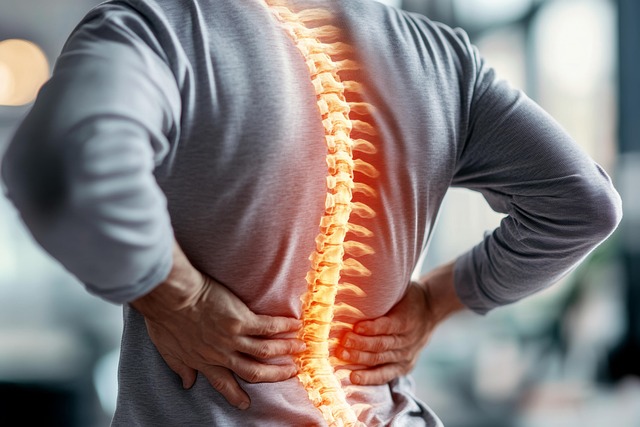
A herniated disc, often referred to as a slipped or ruptured disc, is a common injury resulting from car crashes. This occurs when the soft, gel-like material inside an intervertebral disc pushes through a tear in the outer ring, pressing on nearby nerves. Post-crash, individuals may experience sharp pain, numbness, or weakness radiating to the limbs, depending on the affected area. Understanding herniated discs in this context is vital for effective treatment and recovery.
Chiropractic management plays a significant role in addressing herniated discs after car crashes. Chiropractic professionals utilize a range of techniques, including spinal adjustments and manual therapy, to reduce disc bulges, alleviate pressure on nerves, and promote natural healing. For example, a study published in the Journal of Manual Medicine found that chiropractic care significantly improved pain reduction and functional ability in patients with herniated discs following motor vehicle accidents. Chiropractic management offers a non-invasive approach, which is often preferred over surgical intervention, especially for those seeking a more natural path to recovery.
The initial phase of treatment typically involves conservative, low-force adjustments to stabilize the spine and reduce inflammation. This is followed by specific exercises designed to strengthen core muscles and improve flexibility, aiding in disc support and pain management. Patients may also be advised on postural modifications and activity adjustments to prevent further strain. For instance, a patient with a herniated L4-L5 disc might benefit from learning proper lifting techniques to avoid exacerbating the condition. Chiropractic care provides a holistic approach, addressing not only the physical injury but also the psychological impact of a car crash, offering support throughout the recovery journey.
Chiropractic Management: A Natural Approach

Chiropractic management offers a natural approach to treating herniated discs resulting from car crashes. This method focuses on correcting spinal misalignments and reducing pressure on affected nerves. Chiropractors utilize techniques such as manual adjustments, targeted exercises, and therapeutic modalities like heat or cold therapy. A study published in the Journal of Manipulative and Physiological Therapeutics found that chiropractic care significantly improved pain reduction and functional enhancement in patients with herniated discs following motor vehicle accidents.
One of the key advantages of chiropractic management is its emphasis on patient-centered care. Chiropractors work collaboratively with individuals to develop personalized treatment plans tailored to their specific needs. This holistic approach considers not only the physical symptoms but also factors like stress, sleep quality, and overall wellness. For instance, a chiropractor might recommend ergonomic adjustments at home or work to prevent further strain on the spine, coupled with specific exercises to strengthen supporting muscles.
Additionally, chiropractic management promotes natural healing processes. By alleviating pressure on nerve roots and improving spinal mobility, chiropractors enable the body's inherent healing mechanisms to kick in. This approach not only provides pain relief but also fosters long-term structural integrity. It's important to note that while chiropractic care is often effective for herniated discs post-car crash, severe or complex cases might require referral to a medical specialist for comprehensive management.
Recovery and Prevention Strategies Post-Crash

Recovering from a herniated disc following a car crash requires a multifaceted approach, combining medical intervention with proactive strategies to prevent future injuries. Chiropractic management plays a pivotal role in this recovery process. Expert chiropractic care focuses on reducing pain, promoting healing, and restoring spinal function through gentle adjustments, specialized exercises, and patient education. This natural approach not only alleviates acute symptoms but also empowers individuals to take charge of their long-term well-being.
Post-crash, a comprehensive prevention strategy is essential to mitigate the risk of disc herniation recurrence. Patients should engage in regular physical therapy sessions tailored to strengthen core muscles and improve spinal stability. Maintaining good posture during daily activities and adopting ergonomic practices at work or while driving can significantly reduce strain on the spine. Additionally, incorporating exercises that enhance flexibility and balance contributes to overall spinal health.
Nutrition and lifestyle modifications are integral components of recovery and prevention. A balanced diet rich in vitamins, minerals, and antioxidants supports disc health by promoting collagen production and reducing inflammation. Staying hydrated and maintaining a healthy weight alleviate pressure on the spine, further minimizing the risk of herniated discs. As these strategies are implemented under professional guidance, individuals can expect to regain mobility, reduce pain, and proactively protect their spines from future injuries.
Understanding herniated discs after car crashes is crucial for effective recovery and prevention. Chiropractic management offers a natural approach to treating these injuries, leveraging specialized techniques to reduce pain and promote healing. By combining this with targeted recovery strategies and preventive measures, individuals can optimize their post-crash outcomes. Key insights include the importance of seeking immediate care, adhering to chiropractic management plans, engaging in specific exercises, maintaining proper posture, and adopting a holistic wellness routine. Incorporating these practices naturally into daily life can significantly alleviate symptoms and reduce the risk of future herniated disc issues.